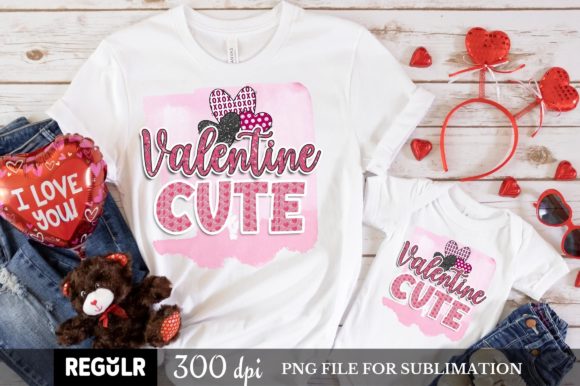
Reviewing Valentine Cute SVG for Real Embroidery Projects
As a designer who has spent countless hours digitizing and stitching out files for clients, I have learned that not every cute graphic translates well to thread. When I first pulled up the Valentine Cute SVG, my initial reaction was positive regarding its visual charm, but my professional instinct immediately kicked in to evaluate its practicality. This isn't just about how it looks on a screen; it is about how it behaves under the needle. For embroidery designers, small business owners, and Etsy sellers, understanding the gap between a digital graphic and a stitched reality is crucial for maintaining brand consistency and customer trust.
First Impressions and Visual Personality
The Valentine Cute SVG carries a distinct mood that is playful yet refined. It avoids the overly cluttered aesthetic that often plagues holiday designs, opting instead for clean lines and balanced spacing. From a layout perspective, this is promising. In the world of Crafts and Graphics, simplicity often wins because it reduces stitch count issues and ensures clarity on smaller items. The theme is unmistakably romantic, making it an ideal candidate for February promotions, but its versatility allows it to stretch into anniversary gifts or general expressions of affection.
When I imagine this design on a finished product, I see it working best where the negative space can breathe. A dense, busy background fabric would compete with the design, whereas a solid, smooth textile allows the shapes to pop. This visual personality suggests that the design is best suited for projects where the message is the hero, rather than being lost in excessive decorative accents.
Real-World Application: The Custom Tote Bag Scenario
To truly test the viability of this asset, I mentally placed it on a custom embroidered tote bag. This is a high-demand item for craft businesses and boutique branding. Imagine a natural canvas tote with the Valentine Cute SVG stitched in a deep red or soft pink thread. The texture of the canvas provides a sturdy base, but it also presents challenges. If the design relies heavily on fine details, the weave of the fabric might swallow them.
In this scenario, the design’s performance depends on its digitization quality. If the original SVG is converted into a machine embroidery design without proper attention to stitch density, the result could be puckering or thread breaks. For a sweatshirt embroidery project, the stakes are even higher. Stretchy fabrics require careful stabilization and potentially a different stitch approach, such as using more running stitch outlines rather than heavy fill stitches, to prevent the garment from distorting.
Versatility Across Product Lines
Beyond totes and sweatshirts, this design shows promise for several other applications:
- Baby Embroidery: On onesies or burp cloths, provided the scale is reduced appropriately and soft threads are used.
- Embroidered Patch: Creating iron-on patches allows for denser stitching on a stable backing, which can then be applied to various garments.
- Kitchen Towels: A popular handmade product for holiday gifts, though the looped texture requires careful hoop tension.
- Caps and Hats: Curved surfaces are tricky. The design must be narrow enough to fit the front panel without wrapping around the sides.
For digital product sellers, this SVG serves as a versatile design asset for printable mockups. You can showcase how the design looks on mugs, signs, and cards before committing to physical production. This helps in creating compelling Etsy listings that give buyers a clear idea of the final product.
Technical Considerations and Stitching Clarity
While the Valentine Cute SVG is visually appealing, there are areas where caution is necessary. Small hoop sizes, such as 4x4 inches, may require significant scaling down. If the design includes tiny lettering or intricate corners, these elements might merge when stitched. Stitch density plays a critical role here. Too dense, and the fabric becomes stiff; too sparse, and the backing shows through, ruining the professional look.
I recommend testing the design on scrap fabric first. This is non-negotiable for any serious embroidery project. Check how the thread colors contrast against your chosen fabric. A dark fabric background will require lighter thread colors or a satin stitch border to ensure visibility. Conversely, on light fabrics, ensure that the stabilizer does not show through the stitches. Using the proper stabilizer—cut-away for stretchy fabrics like t-shirts and tear-away for stable wovens like aprons—is essential for longevity.
Where to Use Carefully
- Textured Fabrics: Terry cloth or fleece can hide fine details. Ensure the design elements are bold enough to stand out.
- Thin Fabric: Lightweight materials may pucker if the stitch density is too high. Use a lightweight stabilizer and reduce density if possible.
- Detailed Corners: Sharp angles in SVGs can cause thread bunching in embroidery. Look for designs that have slightly rounded corners or ensure your digitizer has addressed this.
- Frequent Washing: Items like baby clothes and kitchen towels undergo rigorous washing. Ensure the stitch type, such as a robust fill stitch or secure satin stitch, can withstand wear and tear.
Enhancing Brand Value and Customer Trust
For handmade shop owners and commercial embroidery professionals, the quality of the design directly impacts perceived value. A clean, well-executed Valentine Cute SVG enhances the professionalism of your brand. It signals to customers that you care about detail and quality. This builds trust and encourages repeat business. When buyers see a crisp, clear embroidered design on a personalized gift, they are more likely to engage with your brand and recommend it to others.
Moreover, using versatile design assets allows for consistent branding across different products. Whether you are selling custom apparel or home decor, maintaining a cohesive aesthetic helps in building a recognizable brand identity. This design fits well into a broader collection of holiday embroidery themes, allowing you to create bundled offerings that increase average order value.
Practical Designer Notes for Implementation
Before launching this design in your shop or using it for client work, consider these practical steps:
- Check Licensing: Confirm whether the license allows for commercial use. If you are selling finished items or digital embroidery files, ensure you have the right to do so.
- Test on Multiple Fabrics: Do not assume one setting works for all. Test on cotton, polyester, and blends to see how the design behaves.
- Mockup in Black and White: This helps identify contrast issues and ensures the design is readable without relying on color.
- Inspect Small Details: Zoom in on the digital file. Are there any stray points or overlapping paths that could cause machine errors?
- Compare Light and Dark Backgrounds: Ensure the design is visible and attractive on both ends of the spectrum.
In conclusion, the Valentine Cute SVG offers a charming and versatile option for various embroidery projects. However, its success lies in the execution. By paying attention to fabric choice, stabilizer type, and stitch density, you can transform this digital graphic into a high-quality handmade product. For Etsy sellers and craft entrepreneurs, this design represents an opportunity to create memorable, giftable items that resonate with customers. Just remember to validate the technical details, such as file formats and machine compatibility, which are not explicitly detailed in the basic description, before starting your next big batch. Practical judgment, combined with creative vision, is what separates a good product from a great one.