Reviewing Good Things Happen over Tea SVG for Stitchers
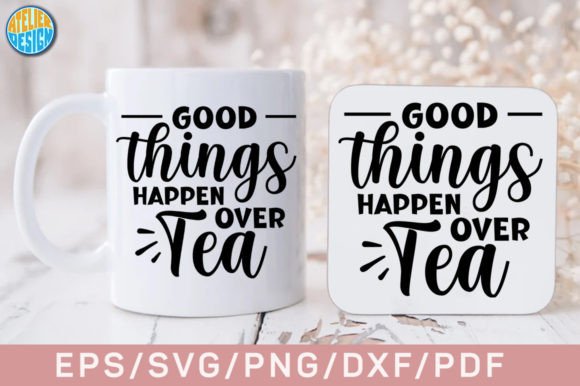
As a designer who spends more time staring at stitch simulations than I care to admit, I have learned that not every pretty graphic translates well into thread. When I first pulled up Good Things Happen over Tea SVG, my initial reaction was one of quiet appreciation. It is not loud or aggressive; it carries a gentle, inviting mood that feels perfectly suited for the slow, tactile nature of embroidery. The layout suggests warmth and comfort, making it an ideal candidate for projects where the goal is to evoke a sense of calm rather than shout for attention.
For those of us in the Crafts community, specifically those working with Graphics intended for physical production, the distinction between a screen-ready image and a stitch-ready design is critical. This file package arrives with SVG, PNG, DXF, and EPS formats, along with an extra PDF. While the description highlights its utility for Print, Cricut, and Silhouette, my focus here is strictly on how this design performs when put under the needle of an embroidery machine. Let us break down what this means for your next project.
First Impressions and Visual Personality
The phrase "Good things happen over tea" is inherently conversational. Visually, the design relies on clean lines and balanced spacing. In embroidery, simplicity is often a virtue. Complex, dense illustrations can become muddy after stitching, but a text-based or simple icon-driven design like this allows the texture of the thread to shine. The visual personality here is understated elegance. It does not require heavy fill stitches or intricate satin work to make an impact. Instead, it relies on clarity and legibility.
When evaluating this as a potential machine embroidery design, I look at the negative space. Is there enough room between letters or elements to prevent thread bridging? From the preview, the spacing appears generous enough to handle standard thread weights without merging, which is a significant advantage for hobbyists and professionals alike.
Real-World Application: The Tote Bag Test
To truly understand the value of an embroidery file, you must imagine it on a specific product. I recently considered this design for a custom canvas tote bag order. Canvas is a sturdy fabric, but it has a distinct weave that can interfere with small details. Because Good Things Happen over Tea SVG features relatively open shapes, it would likely stitch out cleanly on a medium-weight cotton canvas.
Imagine a customer walking into a boutique cafe, carrying a tote with this subtle message stitched in a soft sage green or muted terracotta. It feels personal. It feels handmade. For an Etsy seller or small shop owner, this kind of personalized gift item sells because it tells a story. It is not just a bag; it is an accessory for someone who values mindfulness and connection. The design supports that narrative without overpowering the utility of the bag.
Beyond Totes: Apparel and Home Decor
This design is versatile. It would translate beautifully to sweatshirt embroidery, placed subtly over the left chest or larger across the back for a relaxed, vintage vibe. However, when moving to custom apparel, you must consider the fabric stretch. A sweatshirt fleece is forgiving, but a thin jersey requires careful stabilization. The simplicity of the design helps here, as fewer stitches mean less pull on the fabric.
In the realm of home decor, think about tea towels or pillow covers. A linen tea towel with this phrase stitched in white thread against natural beige linen is a classic look. It elevates a simple kitchen item into a piece of art. For holiday embroidery gifts, such as a cozy blanket or a nursery decor piece, the gentle tone of the message fits perfectly. It is gender-neutral and age-appropriate, making it a safe yet thoughtful choice for baby showers or housewarming presents.
Technical Considerations for Embroiderers
While the design is aesthetically pleasing, we must address the technical realities of stitching. Since the provided files are primarily vector and raster graphics (SVG, PNG, DXF, EPS), they are not native embroidery files like PES or DST. This means you will need to digitize the design yourself or use software to convert it. This is a crucial step. Do not assume the auto-digitizing function will get it right.
Stitch density is your primary concern. If you convert this directly without adjustment, the software might create overly dense fills for any solid shapes, leading to puckering. I recommend using running stitches for outlines and light fill stitches for any larger areas. Avoid heavy satin stitches on wide elements unless you add underlay, as this can cause the thread to snag or the fabric to distort.
Consider the hoop size carefully. If you plan to stitch this on a cap or a curved surface, ensure the design fits within a smaller hoop, such as 4x4 inches. The text length should be checked against your specific hoop dimensions. Also, pay attention to thread colors. High contrast works for visibility, but tonal variations create sophistication. Test the design in black and white mockups first to ensure the shape holds up without color reliance.
Where to Use Caution
Not every project is a good fit. Avoid using this design on highly textured fabrics like thick wool or bouclé unless you use a strong cut-away stabilizer. The fine details may get lost in the pile. Similarly, be cautious with dark fabrics if you are using light thread; you may need a higher stitch count to cover the background, which increases the risk of fabric distortion. For embroidered patch creation, ensure the edges are clean, as patches undergo significant handling and washing.
If you are creating digital embroidery file products for resale, remember that licensing varies. The description mentions commercial use for print and cut, but always verify the terms for embroidered finished goods. Most designers allow selling physical items made with their designs, but reselling the digital file itself is typically prohibited. Always check the specific license included in the PDF.
Final Verdict for Craft Entrepreneurs
From a business perspective, Good Things Happen over Tea SVG is a strong asset. It appeals to a broad demographic: tea lovers, introverts, gift buyers, and home decor enthusiasts. It enhances brand consistency for shops that focus on cozy, mindful aesthetics. The finished product looks professional because the design is uncluttered.
Before you start stitching, always test on scrap fabric. Check the fabric texture interaction. Ensure your stabilizer matches the garment weight. By treating this graphic as a starting point for thoughtful digitization, you can create high-value handmade products that resonate with customers. Whether you are an experienced craft business owner or a hobbyist looking to elevate your embroidery project, this design offers a solid foundation for creating something beautiful and meaningful.