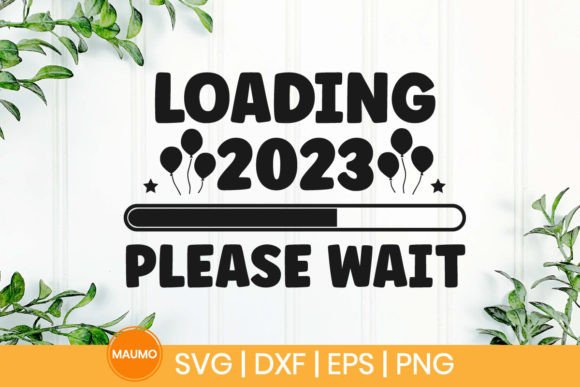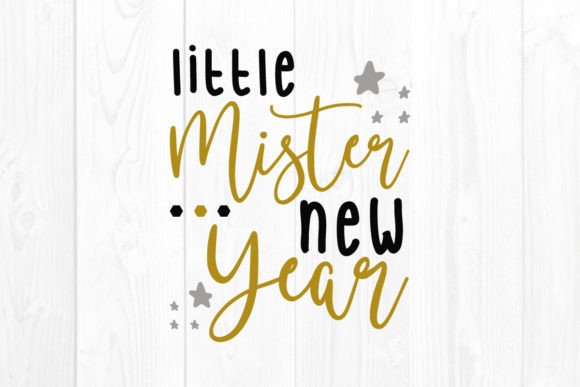
Reviewing the Welcome 2023 New Year SVG for Embroidery
As a designer who spends more time staring at stitch previews than actual fabric, I have learned to be skeptical of digital files marketed broadly. When I first encountered the Welcome 2023 New Year Svg Quote, my initial reaction was cautious. The product description highlights its versatility for printing on t-shirts, mugs, and cushions, noting it comes as an SVG for Cricut Explore and a DXF for Silhouette. However, my job is not to cut vinyl; it is to translate vector lines into thread. I needed to know if this graphic could survive the needle without turning into a tangled mess of satin stitches and broken threads.
First Impressions: Mood and Visual Personality
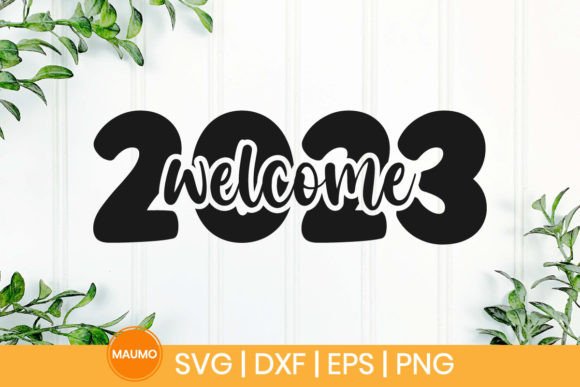
The design carries a celebratory yet clean aesthetic. It does not rely on overly complex illustrations or dense shading, which is often a blessing in embroidery. The mood is optimistic, fitting perfectly into the category of holiday embroidery that feels modern rather than traditional. For a craft business owner, this visual personality is crucial. It appeals to customers looking for fresh, contemporary decor rather than dated seasonal clichés. The layout appears balanced, suggesting that the negative space is intentional, allowing the fabric texture to breathe between the stitched elements.
Real-World Application: From Vector to Stitch
To test the viability of this asset, I imagined a specific real-life scenario: creating a custom embroidered tote bag for a boutique client’s New Year promotion. Tote bags are typically made from canvas or heavy cotton, which provides a stable base for stitching. In this context, the Welcome 2023 New Year Svg Quote would need to hold its shape without puckering the fabric. Because the file is originally intended for cutting machines, I had to mentally convert the sharp vector edges into embroidery paths. This means deciding where to use a satin stitch for crisp borders and where a fill stitch might add necessary weight to larger areas.
If I were adapting this for sweatshirt embroidery, the approach would change. Knit fabrics stretch, so the design needs careful digitizing to prevent distortion. A running stitch outline might suffice for a subtle look, while a denser fill could cause the garment to pull uncomfortably. For baby embroidery projects, such as a onesie or blanket, simplicity is key. The clean lines of this quote make it a strong candidate for small-scale application, provided the lettering remains legible at reduced sizes.
Navigating Technical Constraints
While the design is versatile, there are specific situations where caution is required. Small hoop sizes present a challenge. If you attempt to stitch this on a 4x4 inch hoop, you must ensure the text does not become too small to read. Tiny lettering often leads to thread breaks or poor definition, especially on textured fabrics. Similarly, curved surfaces like caps require precise stabilization. Without proper backing, the curvature can distort the quote, making it appear warped rather than celebratory.
Dark fabrics also demand attention. If you are stitching this onto a navy or black tote bag design, you must choose high-contrast thread colors. A light gold or bright white thread would pop effectively, whereas muted tones might get lost. Additionally, consider the stitch density. Since this is a graphics file adapted for Crafts, it may not have pre-defined density settings. You must manually adjust the fill percentage to avoid creating a stiff, cardboard-like patch on soft materials like tea towels or pillow covers.
Enhancing Product Value and Brand Consistency
For an Etsy seller or small shop product creator, the quality of the finished product directly impacts customer trust. A well-executed version of this machine embroidery design can elevate a simple item into a premium personalized gift. When the stitching is clean and the alignment is perfect, it signals professionalism. This enhances brand consistency, showing buyers that you care about the details. Whether used for commercial embroidery projects or handmade products for local craft fairs, the clarity of the design helps in recognition and buyer engagement.
Moreover, using this design in printable mockups before stitching can save time and resources. By visualizing how the quote looks on different backgrounds, you can make informed decisions about thread colors and fabric choices. This step is vital for maintaining a cohesive aesthetic across your design assets.
Practical Notes for the Embroidery Designer
Before committing to a full production run, always test the design on scrap fabric. This allows you to check thread color contrast and identify any potential issues with stitch density. Inspect small details closely; if the original SVG has thin lines, they may need to be thickened slightly in your digitizing software to ensure they stitch out cleanly. Confirm the hoop size you plan to use and ensure the design fits comfortably within the boundaries, leaving room for stabilization.
It is also essential to verify licensing terms. While the product description mentions it is suitable for various projects, always confirm whether the license permits selling finished items or if it is strictly for personal use. This protects your craft business from legal issues. Additionally, check if the file includes any specific instructions for applique design techniques, as some quotes work better with fabric inserts than pure thread work.
Final Verdict on Usability
The Welcome 2023 New Year Svg Quote is a solid foundation for creative entrepreneurs willing to put in the digitizing effort. It is not a plug-and-play embroidery file, but its clean structure makes it highly adaptable. For those comfortable with adjusting stitch types and densities, it offers great potential for custom apparel, embroidered patches, and holiday gifts. Just remember to respect the limitations of your machine and fabric. With the right stabilizer and thread choices, this graphic can transition smoothly from a digital asset to a tangible, high-quality finished product that customers will love.
Ultimately, the success of this project depends on your attention to detail. Treat the vector file as a blueprint, not the final answer. Adjust for fabric texture, optimize for hoop size, and always prioritize stitching clarity over speed. When done correctly, this design becomes more than just a quote; it becomes a statement piece in your portfolio of handmade excellence.