Reviewing Have Yourself a Merry Little Margarita for Embroidery
As a designer who has spent countless hours digitizing and stitching out files, I approach every new machine embroidery design with a mix of curiosity and skepticism. We have all been there: downloading a cute graphic only to find it turns into a tangled mess of thread on the hoop. Recently, I evaluated Have Yourself a Merry Little Margarita to see if it holds up under the needle. This isn’t just about whether the image looks good on a screen; it is about how it performs as a tangible embroidery project for real clients and customers.
First Impressions and Visual Personality
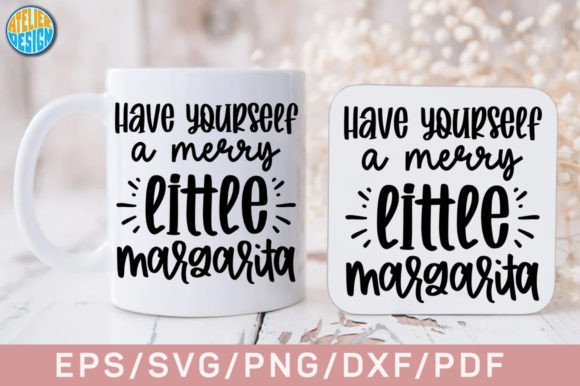
The concept behind Have Yourself a Merry Little Margarita is playful and timely. It blends holiday cheer with a relaxed, festive vibe that appeals to a wide demographic. Visually, the layout suggests a balance between text and iconography. For an experienced eye, the immediate question is always about complexity. Does the design rely on tiny, fragile details that will break during washing? Or does it have the bold lines necessary for clear stitching?
In the context of Crafts and digital Graphics, this file stands out because it offers versatility. The description notes that you receive SVG, PNG, DXF, and EPS formats, along with a PDF. While my focus here is strictly on the embroidery application, knowing that the source art is high-quality and print-ready gives me confidence in the underlying vector paths. Clean vectors usually translate to cleaner digitizing potential, assuming the stitch file was derived from these robust sources.
Real-World Application: The Holiday Tote Test
To truly test a design, you have to imagine it on a product. I visualized Have Yourself a Merry Little Margarita stitched onto a heavy canvas tote bag. This is a popular item for Etsy sellers and small shop products during the holiday season. The mood of the design fits perfectly with casual holiday gatherings, white elephant gifts, or bachelorette parties that happen to fall in December.
When considering this for a handmade product, the scale matters. On a tote, you have ample space. However, if you were to shrink this down for a embroidered patch or a left-chest logo on a sweatshirt embroidery project, you would need to be careful. The text legibility becomes the primary concern. If the lettering is too thin, it may not fill properly with a satin stitch or might require a dense fill stitch that could cause puckering on lighter fabrics.
Stitching Considerations and Fabric Choices
One of the biggest challenges with mixed-media designs like this is managing stitch density. If the margarita glass element uses a solid fill while the text uses satin columns, the tension difference can pull the fabric. I recommend testing this design on scrap fabric first. Use a medium-weight stabilizer to support the stitches, especially if you are working with stretchy materials like jersey knits for custom apparel.
For baby embroidery or delicate items, this design might be too bold unless scaled significantly. However, for holiday embroidery on towels or aprons, the robust nature of the graphic is an asset. It needs to withstand frequent washing. A well-digitized version of this file should use proper underlay stitches to anchor the design to the fabric, preventing shift and ensuring longevity.
If you are using this on dark fabric, consider your thread colors carefully. High contrast is key for readability. A bright lime green for the lime wedge and crisp white for the text against a navy or black background will make the design pop. Conversely, on light fabrics, ensure your outline stitches are dark enough to define the shape without looking muddy.
Commercial Viability for Craft Businesses
For commercial embroidery professionals and craft business owners, time is money. A design like Have Yourself a Merry Little Margarita sells because it is relatable and fun. It works well for personalized gifts where the customer wants something unique but not overly serious. It fits seamlessly into boutique branding for shops that cater to a younger, trend-conscious audience.
Since the package includes files for Cricut and Silhouette, you have the option to create hybrid products. Imagine a tote bag with the embroidered design paired with a vinyl heat-transfer accent. This versatility adds value to your design assets library. However, always confirm licensing terms before selling finished items. Just because a file is labeled "print ready" does not automatically grant unlimited commercial rights for physical goods. Check the specific license included in the PDF or product description.
Technical Checks Before You Hoop
Before committing to a full production run, perform these practical checks:
- Hoop Size: Confirm the maximum dimensions of the design. Ensure it fits comfortably within your standard hoops (4x4, 5x7, or 6x10) without hitting the edges.
- Small Details: Zoom in on the digital preview. Are there any isolated stitches or tiny jump stitches that could cause thread nests? Trim them manually if necessary.
- Fabric Texture: Test on both smooth cotton and textured linen. The design should look clean on both, though textured fabrics may hide minor imperfections better than smooth ones.
- Mockups: Create black and white mockups to check contrast. If the design disappears in grayscale, it lacks sufficient tonal variation for certain applications.
Final Verdict on Design Utility
Have Yourself a Merry Little Margarita is a strong contender for your seasonal catalog. It bridges the gap between novelty and style. For apparel decorators and digital product sellers, it offers a fresh take on holiday themes. The key to success lies in execution. Do not assume the file is perfect straight out of the download folder. Treat it as a raw material that requires your expertise to shine.
By paying attention to stabilizer choice, thread tension, and fabric compatibility, you can turn this digital file into a high-value finished product. Whether it ends up on a cozy pillow cover, a festive kitchen towel, or a trendy cap, the design has the personality to engage buyers. Just remember to respect the technical limits of your machine and the physical properties of your materials. When done right, this design delivers the professional polish that builds customer trust and encourages repeat business.